Bessie Coleman Quarter: Keep It or Sell It?
a low-cost way to complete a 2023 American Women set,
a short-term flip if high grade or proof quality is present,
or a longer-term hold tied to the historical importance of the program.
Philadelphia (P): approximately 193.5 million
Denver (D): approximately 162 million
San Francisco (S): proof and silver proof strikes only
Weight: 5.67 grams
Diameter: 24.3 mm
Edge: reeded
Composition: copper-nickel clad
Circulated coins: $0.25–$0.40
MS65–MS66: typically $10–$40 depending on mint
MS67: commonly $30–$65
Top-end outliers: higher only when condition or errors justify it (use the free coin app to check it at first)
Denver coins often reach MS67 more easily, but prices remain moderate.
Philadelphia coins show wider price swings depending on eye appeal.
San Francisco proofs, especially silver proofs, are the most predictable premium option.
An S-mint MS68 example reached about $205
Most MS67 coins cluster well below that level
strong cartwheel luster,
minimal contact marks,
and sharp design detail on the airplane and portrait,
Doubled dies, especially on the airplane wings or lettering
“IN COD WE TRUST” grease-filled errors
Off-center strikes, even minor ones
Strong die cracks with clear visual impact
Lower production than circulation strikes
Better long-term preservation
Strong demand for complete American Women sets
Circulated P/D coins: keep only for sets or education
Uncirculated MS65–MS66: optional hold, limited upside
MS67+ or proofs: worth keeping or grading
Verified errors: sell or hold depending on demand timing
You are building a complete American Women Quarters set
The full 2023 lineup can be assembled inexpensively, and demand for complete sets typically strengthens once the program ends in 2025.The coin has strong eye appeal but is not yet graded
Fresh, original luster with minimal marks may benefit from time and careful storage before submission.It has personal or educational value
Coleman’s aviation legacy gives the coin relevance beyond price charts, especially for themed collections tied to history, aviation, or civil rights.It is a proof or silver proof
These coins were produced for collectors and hold steady demand even when secondary market interest cools.The coin is certified MS67 or higher
Market demand for top-pop modern quarters is narrow but active. Selling while interest remains strong avoids long holding periods with limited growth.A verified mint error is present
Doubled dies, off-center strikes, or dramatic die cracks perform best early, before similar examples saturate the market.You need liquidity rather than long-term completion
This is not a generational rarity. Capital can often be redeployed into scarcer pieces with stronger upside.You already own multiple high-grade examples
Redundancy rarely pays off in modern issues. Selling duplicates funds smarter upgrades.Inspect under magnification
Compare to known MS67 references
Consider grading fees relative to realistic upside
common → keep or spend it
attractive → store and reassess later
exceptional → verify and act
The 2023 Bessie Coleman quarter worth was firstly quiet in circulation, yet it carries more historical weight than most modern coins people encounter in daily change. Issued as the sixth release in the American Women Quarters Program, the coin honors Bessie Coleman, the first African-American and Native American woman to earn a pilot’s license. For collectors, the key question is simple: is this a coin to hold onto or one to cash out early?
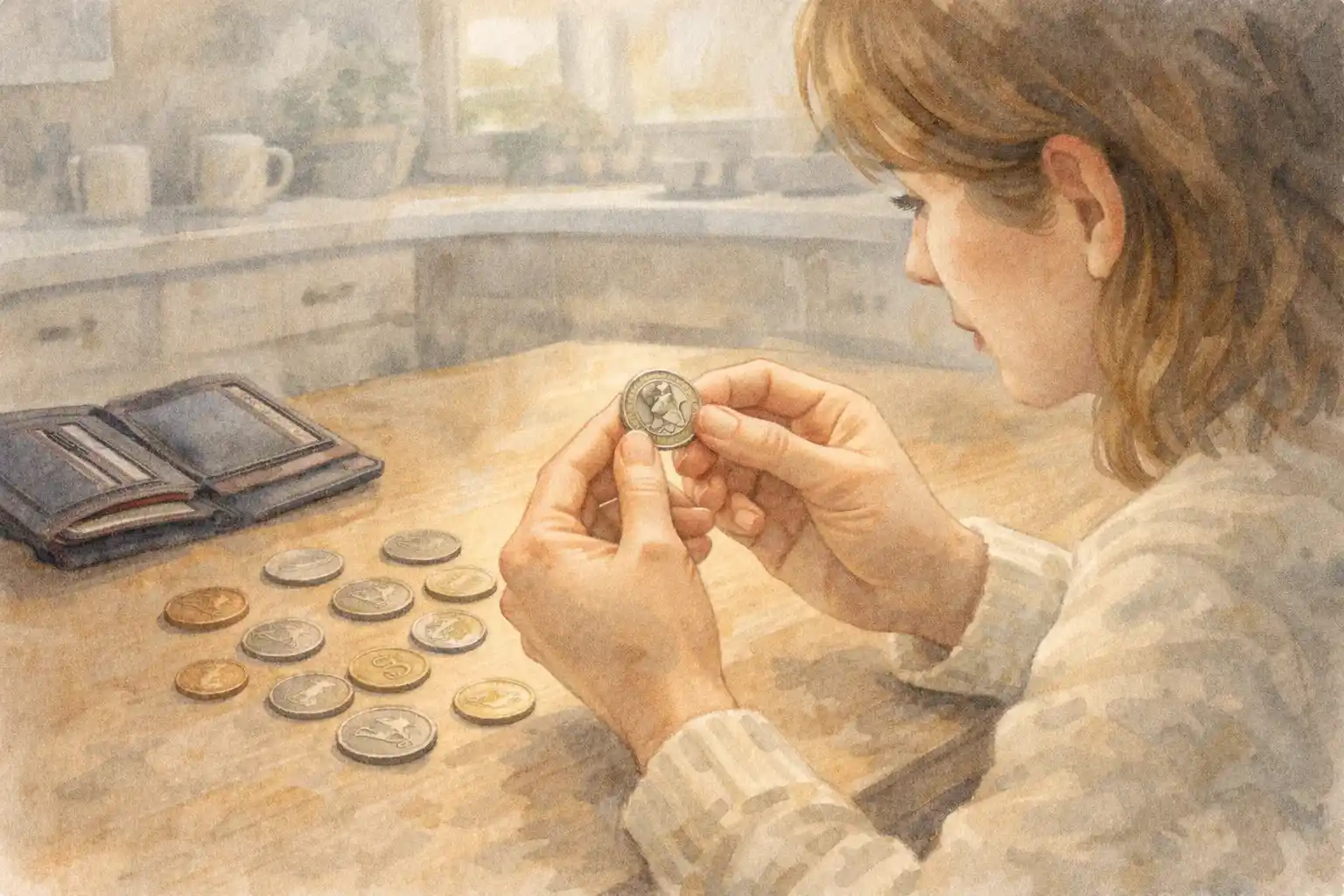
Why the Bessie Coleman Quarter Matters to Collectors
From a market perspective, the answer starts with understanding intent versus scarcity. The U.S. Mint produced the Bessie Coleman Quarter in very large numbers, especially from Philadelphia and Denver. That alone caps the value of most circulated examples at face value. At the same time, modern programs often reward collectors who pay attention to condition, strike quality, and early-identified errors.
What sets this quarter apart visually is its reverse. Coleman is shown in flight gear beside a Curtiss JN-4 “Jenny” biplane, a design that immediately stands out from earlier American Women issues. The artwork appeals not only to coin collectors but also to aviation enthusiasts and educators, expanding the coin’s audience beyond traditional numismatics.
For casual finders, this quarter feels ordinary. For collectors, it represents three different paths:
Understanding which path applies starts with the basics.
Basic Specifications and Mintage Reality
The Bessie Coleman Quarter was released on March 27, 2023, with production split across all three mints:
All circulation strikes are standard clad quarters:
These numbers matter. High mintages mean that circulated coins will not become scarce, no matter how popular the design becomes. A worn example pulled from change is best treated as a set filler or educational piece, not an investment.
Where value begins to separate is at the uncirculated level. Coins that avoided contact, bag marks, and dull luster during distribution can grade MS65 and above, where collectors start paying attention and apply the best coin identifier app as their first step.
Early Market Behavior
Shortly after release, collectors rushed to submit fresh rolls for grading. This created an early premium window for clean examples, especially from Denver, which often shows slightly better strike consistency. Auction results now give a clearer picture:
This pattern is typical for modern commemorative circulation issues. Prices stabilize quickly, then drift lower unless supported by genuine scarcity.
At this stage, the Bessie Coleman Quarter is not about rarity. It is about selectivity. Knowing what to ignore is just as important as knowing what to keep.
Where the Real Value Hides: Grade, Mint, and Errors
Once the historical appeal is clear, the next step is separating ordinary examples from coins with real market interest. For the Bessie Coleman Quarter, value is not evenly distributed. It concentrates in three areas: high grades, San Francisco issues, and genuine mint errors.
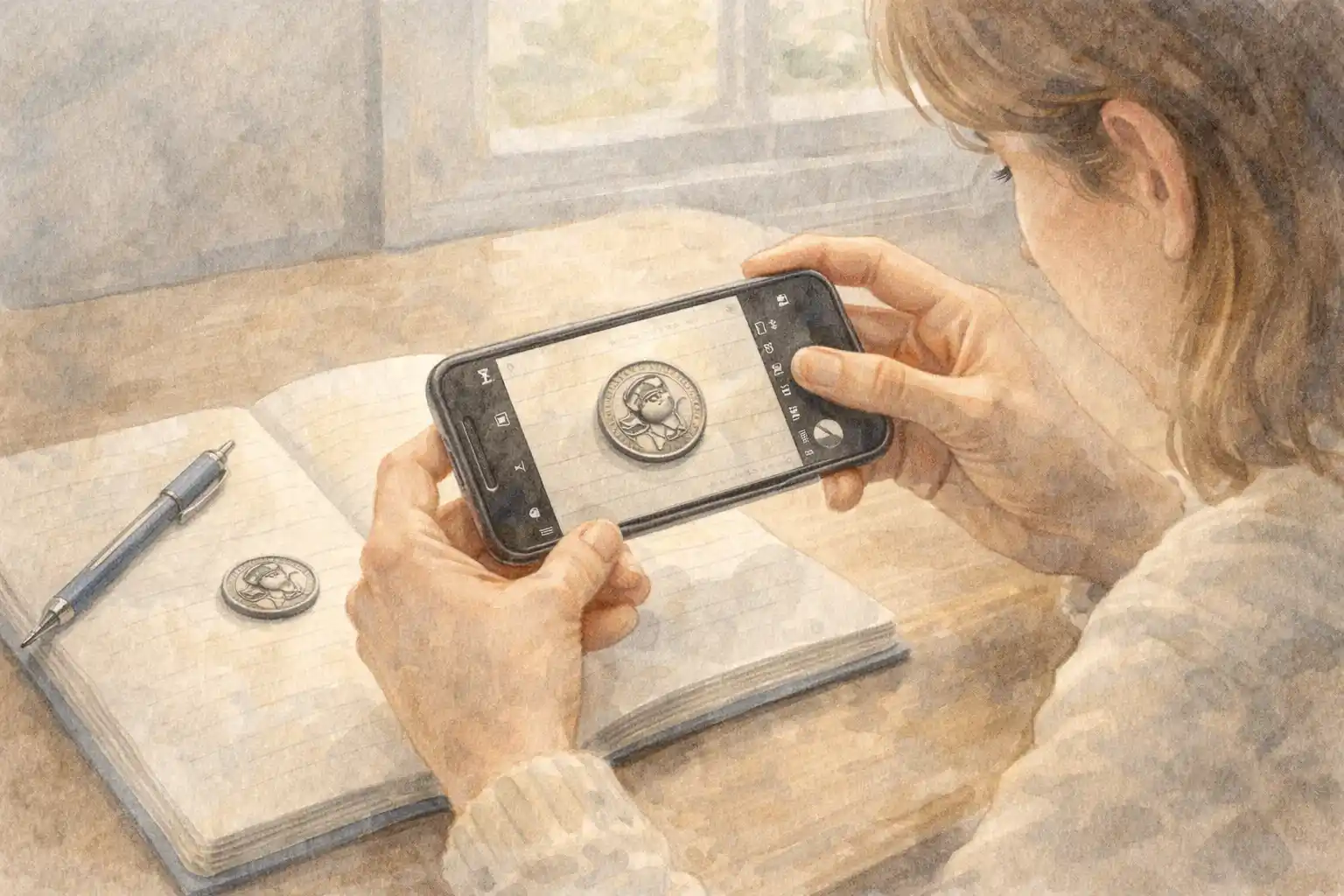
Value by Mint and Condition
Circulation strikes from Philadelphia and Denver dominate the supply. In worn or lightly circulated condition, they trade close to face value. The picture changes quickly as condition improves.
Mint | Circulated | MS65–MS66 | MS67+ | Proof / Silver |
Philadelphia (P) | $0.25–$0.40 | $20–$40 | ~$65 | — |
Denver (D) | $0.30–$0.40 | $10–$22 | $30–$60 | — |
San Francisco (S) | ~$0.30 | $12–$18 | $25–$205 | $5–$39 (PR70) |
A few points stand out:
An S-mint silver proof graded PR70 consistently sells in the $30–$40 range. That makes it a safe “keep” for collectors who want stability rather than speculation.
The Role of High Grades
Modern quarters only break out when they reach the top of the grading scale. MS68 examples are rare enough to command attention, but they are not common finds.
Recent sales confirm this:
This gap explains why raw uncirculated coins are risky to sell without grading. A coin that looks flawless may still top out at MS66, cutting potential value in half.
If a coin shows:
then professional grading becomes worth considering.
Errors That Change the Equation
Errors are where the “sell” option becomes more attractive. The Bessie Coleman Quarter has already produced several recognized mint-made errors, though none are common.
Collectors actively seek:
Verified doubled dies have sold between $50 and $300, depending on clarity and eye appeal. The key word is verified. Raised, consistent doubling is essential. Flat or irregular marks usually indicate post-mint damage.
At this stage, errors are still being cataloged. That favors careful holders who spot and document anomalies early rather than rushing to sell.
Proof Coins: Keep More Than You Sell
San Francisco proof strikes deserve separate treatment. They were made for collectors, not circulation, and that matters.
Reasons proofs are usually worth keeping:
Clad proofs in high grade remain affordable. Silver proofs, especially PR70 examples, offer a clean balance between cost and collectibility. They are unlikely to spike suddenly, but they also rarely collapse in value.
Interim Verdict
At this stage, the Bessie Coleman Quarter falls into clear tiers:
Keep It or Sell It? Making the Right Call
After separating ordinary examples from coins with real potential, the final decision comes down to purpose. The Bessie Coleman Quarter sits in a category shared by most modern commemorative circulation issues: meaningful, affordable, and only selectively profitable. Knowing why you own it determines what you should do next.
When Keeping Makes Sense
Holding onto a Bessie Coleman Quarter is often the smarter choice in these situations:
In these cases, storage matters. Albums or inert holders protect surfaces. Avoid frequent handling. Value is preserved as much by restraint as by ownership.
When Selling Is the Better Option
Selling becomes reasonable when one or more of the following apply:
When selling, documentation is critical. Clear photos, certification numbers, and comparable sales data make the difference between curiosity and confident bidding.
Grading: The Deciding Factor
For borderline coins, grading is the pivot point. A raw coin that might sell for $15 can become a $60–$200 piece with the right grade. The opposite is also true.
Before submitting:
Coins that miss the top tier often perform better when kept than sold.
The Bessie Coleman Quarter is not about hidden fortunes. It is about smart filtering. Most examples should be kept as part of a broader collection or passed along without concern. A small percentage justify attention, grading, or sale.
If your coin is:
The real value lies in knowing the difference — and acting with patience rather than impulse.